Scratching in the attic at night
We inspect the attic, locate the runs and nesting sites, set traps, and seal the soffit and roof-line gaps mice use to get in. Most attic jobs are resolved in two visits with a follow-up check.
Mouse Control Fort Pierce FL is what we do every day, and we do it for homeowners, landlords, and restaurant owners across St. Lucie County. If you hear scratching above the ceiling at 2 a.m. or find droppings behind the toaster, call us. We inspect, trap, seal, and sanitize, usually the same day you call.

Mouse Control Fort Pierce FL is a full-service rodent elimination process that finds where mice are entering, removes the active population, and seals the structure so they cannot come back. We start with a flashlight-and-mirror inspection of the attic, kitchen, garage, and crawl space. Then we set snap traps and bait stations along the runs mice actually use, pull out nesting material, and treat contaminated surfaces. It is not a box of traps from the hardware store. It is a documented, repeatable process built for Florida homes.
Fort Pierce sits between the Indian River and the Atlantic, and that waterfront humidity pushes mice indoors from October through February, when overnight lows drop into the 50s. Older bungalows near Downtown and River Park have wide soffit gaps and pier-and-beam crawl spaces that give mice a free highway into the kitchen. We see the same pattern in Lincoln Park and Fort Pierce South: droppings under the sink, chewed insulation in the attic, and a urine odor that will not quit. That is where mouse removal services Fort Pierce homeowners call us for come in.
Every mouse control Fort Pierce FL job includes the core work: full inspection, trapping, exclusion, and cleanup. Some items are add-ons depending on what we find, like attic insulation replacement or drywall repair. We tell you upfront what is included and what is not, so the invoice matches the quote.
Attic, crawl space, garage, kitchen, and exterior perimeter walked with a flashlight and inspection mirror. Every entry point wider than a quarter inch gets logged and photographed. You get a written report.
Snap traps and live catch traps set on the actual runs mice use, plus tamper-resistant bait stations with Contrac or FirstStrike bait blocks where needed. Traps checked every 48 to 72 hours until activity stops.
Copper mesh, steel wool, caulk, and foam sealant for small gaps. Hardware cloth and sheet metal for larger openings at vents, soffits, and foundation lines. This is the work that makes the result permanent.
Droppings, urine, and nesting material removed. Contaminated surfaces disinfected with an EPA-registered product. Odor treatment applied where needed. We wear protective gloves and respirators throughout.
A return visit two weeks after the initial service to confirm no new activity, refresh bait stations if needed, and pull traps. Covered under the workmanship warranty if anything is still moving.
We ask three questions: where are you hearing or seeing activity, how long has it been going on, and is there a kitchen or infant in the home. That tells us whether to bring extra bait stations, a respirator, or attic insulation removal gear. The call takes five minutes and the visit is scheduled around your day.
A licensed technician walks the attic, crawl space, garage, kitchen, and exterior perimeter with a flashlight and inspection mirror. We look for droppings, grease rub marks, gnawed wiring, and entry points wider than a quarter. Most Fort Pierce homes turn up six to twelve openings. The inspection runs 45 to 60 minutes.
We set snap traps and live catch traps on the runs mice travel, and place tamper-resistant bait stations where children or pets could reach. Contrac and FirstStrike bait blocks go into locked stations only. Traps get checked on a fixed schedule, usually every 48 to 72 hours, until activity stops.
Once the population is knocked down, we seal. Copper mesh and steel wool go into small gaps, foam sealant fills voids around pipes, and hardware cloth or sheet metal closes larger openings at vents and soffits. This is the step that keeps mice out for good.
We remove droppings, soiled insulation, and nesting material, then disinfect and deodorize. A follow-up check two weeks later confirms no new activity. If anything is still moving, we re-treat at no additional charge under the workmanship warranty.
Purpose-built equipment, used by trained technicians — so the job is done accurately the first time.
Set on the actual runs mice travel, not scattered randomly. Snap traps for quick knockdown, live catch traps where a customer wants a non-lethal option.
Locked stations that hold Contrac and FirstStrike bait blocks. Used where children or pets could reach, and logged on a station map for commercial clients.
Used to see into wall voids, behind appliances, and along attic rafters where mice travel. This is how we find the entry points most homeowners miss.
Stuffed into small gaps around pipes, wiring, and vents. Mice cannot chew through copper mesh, and steel wool rusts into the gap and locks it tight.
Used to close larger openings at foundation vents, soffits, and roofline gaps. Installed with fasteners, not staples, so it holds up to wind and weather.
Applied to contaminated surfaces after droppings and nesting material are removed. Kills salmonella and reduces hantavirus risk in the treated area.
Worn by every technician during cleanup and attic work. OSHA Safety Compliance requires it, and it protects our crew and your household from airborne contamination.
A 1948 bungalow in River Park had mice in the attic for at least two seasons. Insulation was matted with droppings and urine, soffit gaps were wide open, and the homeowner was hearing scratching every night above the bedroom.
We removed 340 square feet of contaminated insulation, trapped and removed 14 mice over two visits, sealed 11 entry points with copper mesh and hardware cloth, disinfected the deck, and installed new insulation. Scratching stopped within four days.
A Downtown Fort Pierce restaurant failed a health inspection on rodent activity. Droppings were found behind the walk-in cooler, and the back door had a two-inch gap at the sweep. The owner needed a fix before the re-inspection in 10 days.
We ran after-hours service, sealed the back door gap and two wall penetrations, placed 12 tamper-resistant bait stations with Contrac blocks, and removed all droppings. Re-inspection passed with zero rodent findings.
A vacation rental on Hutchinson Island had a guest report a mouse in the kitchen. The owner was between bookings with 48 hours until the next check-in and needed the unit clean, sealed, and odor-free fast.
We inspected the same day, found three entry points at the sliding door and the HVAC line, sealed them, set traps, and disinfected the kitchen. The unit was guest-ready in 24 hours with no visible traps left behind.
Mice cause more damage than most homeowners realize, and the damage compounds fast. Here are the problems we see most often in Fort Pierce homes and businesses, and what happens if you let them run.
Ask a pro →We inspect the attic, locate the runs and nesting sites, set traps, and seal the soffit and roof-line gaps mice use to get in. Most attic jobs are resolved in two visits with a follow-up check.
We remove the droppings, disinfect the surfaces with an EPA-registered product, seal the entry points behind the appliances, and set traps along the wall line. Kitchen jobs are usually done in one visit plus a follow-up.
We document the damage with photos, seal the entry points, and remove the contaminated insulation. For wiring, we refer you to a licensed electrician and coordinate the repair so the job is finished in one sequence.
We locate the source, remove the soiled material, disinfect the surface, and treat the void with an odor neutralizer. Most odor jobs clear within 48 hours of treatment.
Most residential mouse control jobs in Fort Pierce run $180 to $450 for the initial service, and full exclusion work with sealing and sanitizing runs $600 to $1,800 depending on how many entry points we find. Attic insulation removal and replacement adds more. We give you the number before we start, so there is no surprise on the invoice.
You trap the active population and seal every entry point wider than a quarter inch. Traps alone fail because new mice walk in through the same gap. If you want to know how to get rid of mice in a Fort Pierce kitchen, start by pulling the stove and refrigerator out and checking the gap around the gas line and water line. Then call us to seal the exterior.
The best mice extermination near you is the one that inspects, traps, seals, and sanitizes, not just the one that drops traps and leaves. Ask any company three questions: do you seal entry points, do you sanitize, and do you warranty the work. If the answer to any of those is no, keep calling. We answer yes to all three.
Yes. Mouse droppings and urine can carry salmonella and hantavirus, and mice chew electrical wiring, which is a real fire risk in older Fort Pierce attics. Never vacuum dry droppings without a respirator. We remove and disinfect contaminated material as part of every job, and we wear protective gloves and respirators while doing it.
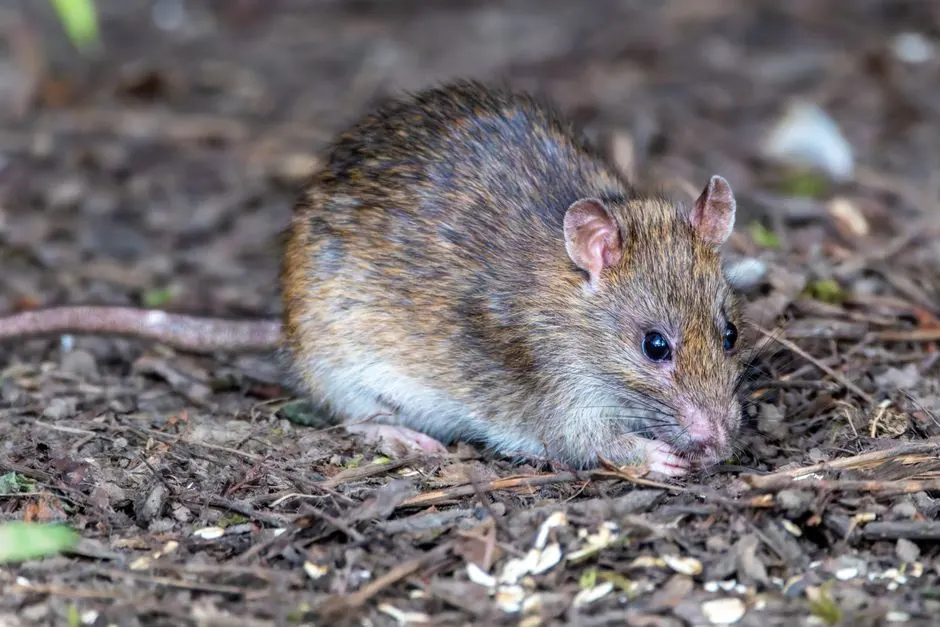 Rat Removal Fort Pierce FLRats and mice often share the same attic and crawl space. When we inspect for Mouse Control Fort Pierce FL, we check for rat-sized runs and droppings too, because a rat job needs heavier traps and larger exclusion materials than a mouse job.Explore →
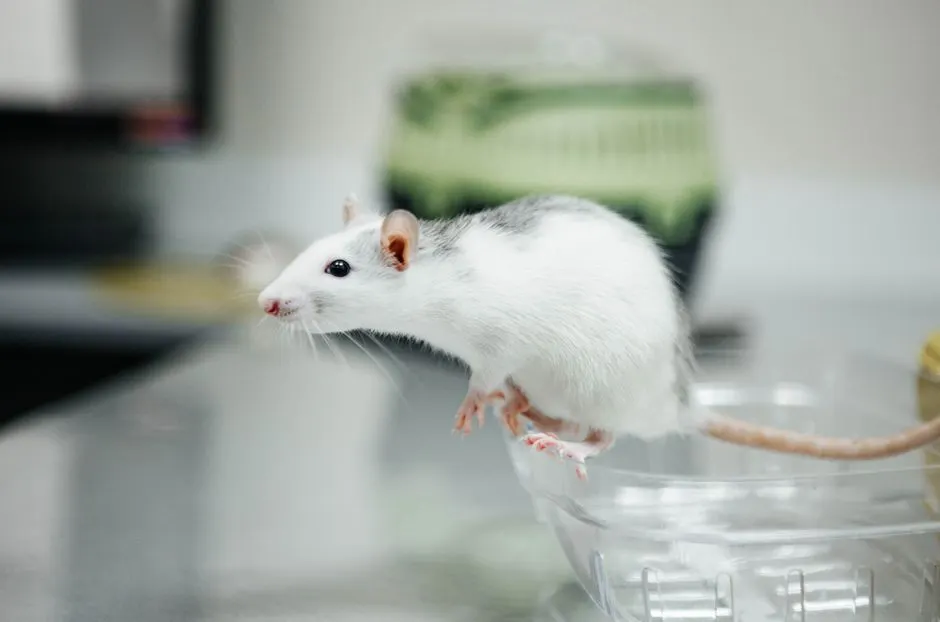 Rodent Inspection Fort Pierce FLEvery mouse job starts with a full inspection. We walk the attic, crawl space, garage, and exterior with a flashlight and inspection mirror, log every entry point, and hand you a written report you can keep for insurance or a real estate file.Explore →
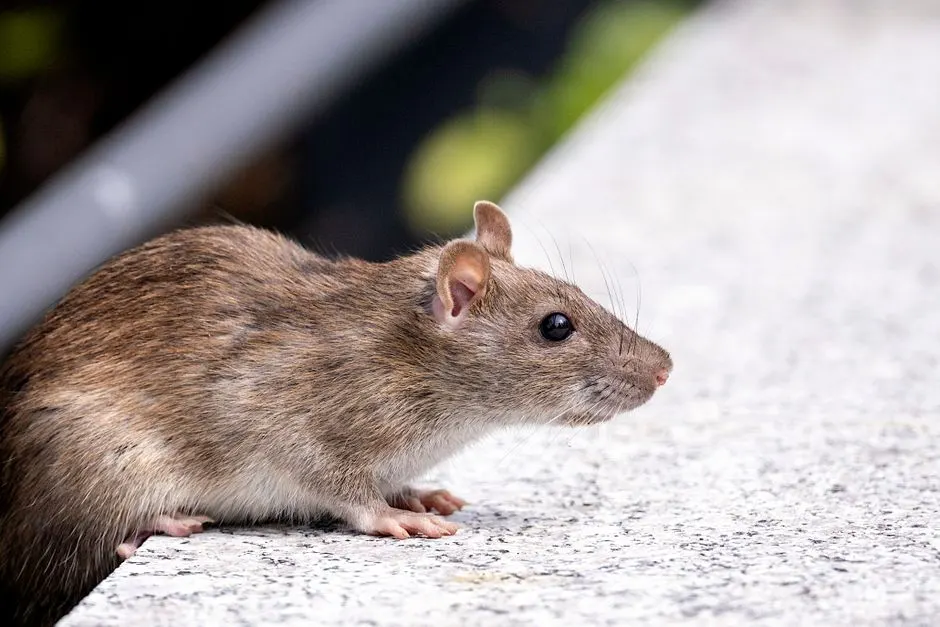 Rodent Exclusion Fort Pierce FLExclusion is the step that makes mouse control last. We seal gaps with copper mesh, steel wool, caulk, and foam sealant, and close larger openings with hardware cloth or sheet metal. Without it, you are trapping the same problem every season.Explore →
 Rodent Proofing Fort Pierce FLProofing is preventive work for homes that have not been hit yet. We screen vents, seal soffit gaps, and tighten garage door sweeps so mice never get the invitation. It is cheaper than a full infestation cleanup and takes one visit.Explore →
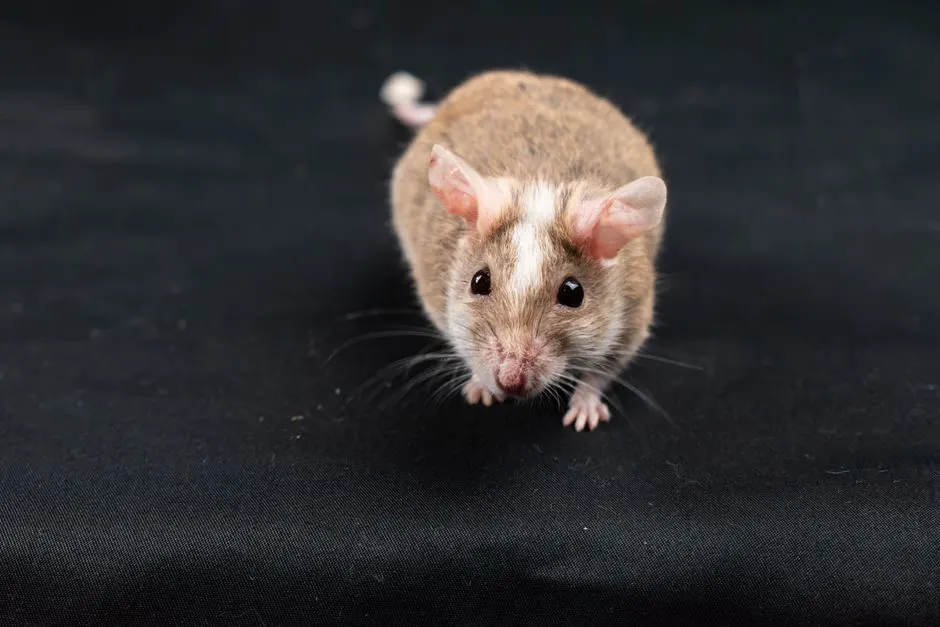 Attic Rodent Removal Fort Pierce FLAttics are the number one place we find mice in Fort Pierce. We remove nesting material, droppings, and soiled insulation, set traps on the runs, and seal the soffit and roof-line gaps that let them in. Most attic jobs take two visits.Explore →
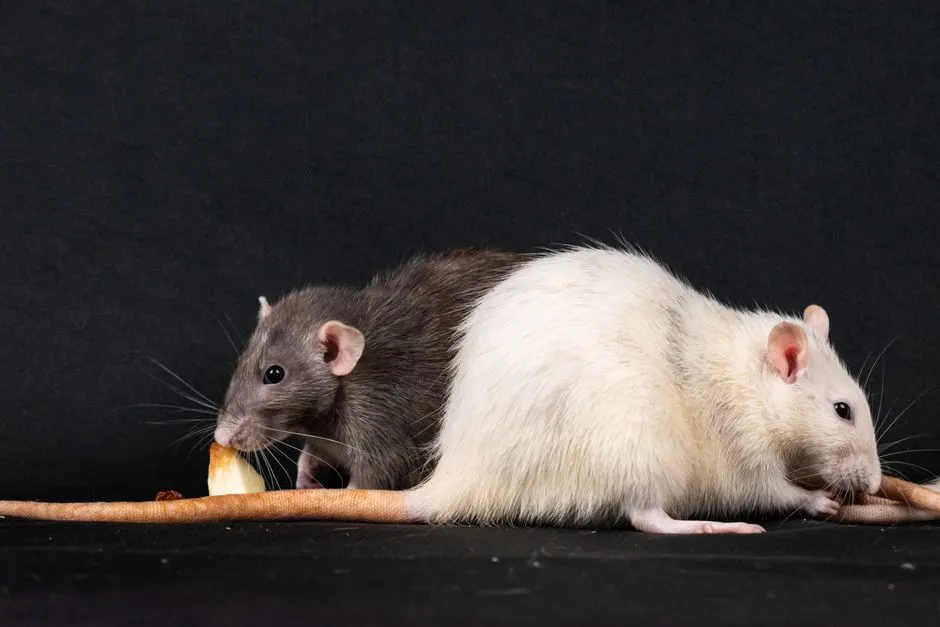 Crawl Space Rodent Control Fort Pierce FLPier-and-beam crawl spaces under older Fort Pierce homes are a mouse highway. We crawl them, trap the active population, seal the foundation vents with hardware cloth, and treat the soil line where mice travel. It stops the kitchen problem at the source.Explore →
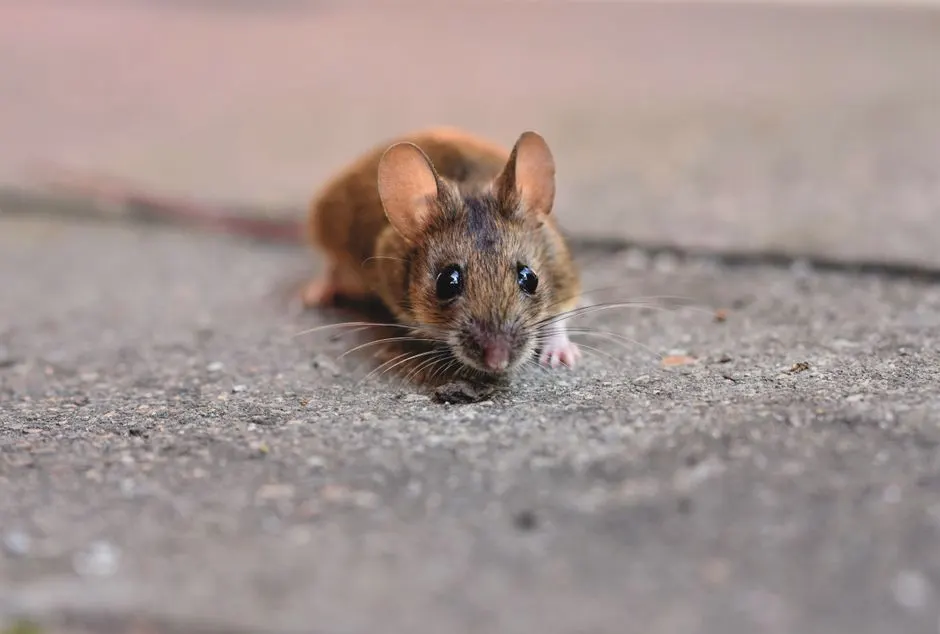 Garage Rodent Control Fort Pierce FLGarages are the staging ground. Mice come in through the door sweep, nest in stored boxes, and then move into the house. We seal the sweep, clear the nesting sites, and set bait stations along the wall line where mice run.Explore →
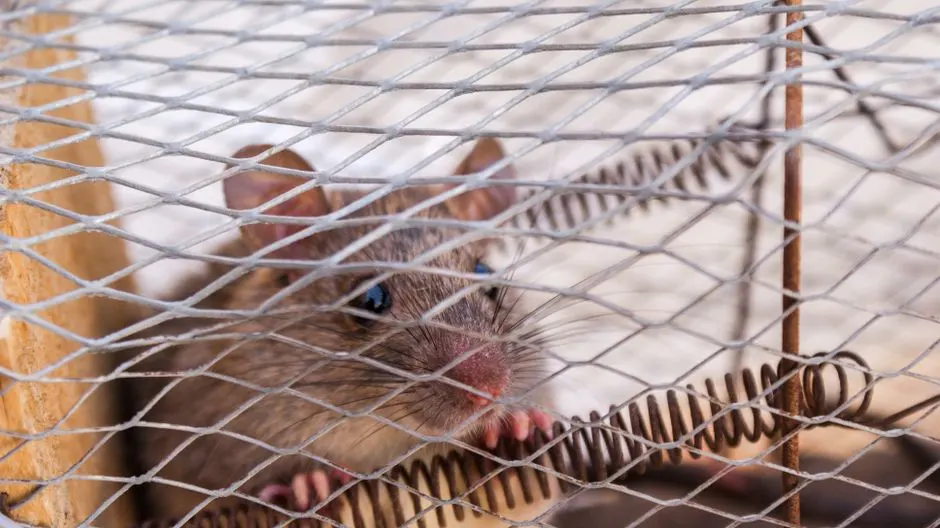 Residential Rodent Control Fort Pierce FLOur residential mouse control Fort Pierce FL work covers single-family homes, duplexes, and townhomes from 900 to 4,000 square feet. We handle the inspection, trapping, exclusion, and cleanup in one coordinated job so you are not juggling three contractors.Explore →
One call, one crew, one documented result. We are licensed, insured, and warrantied, and we answer the phone 24/7 for emergencies. If you have droppings in the kitchen or scratching in the attic, stop guessing and get it handled. Call now and we will schedule your inspection.
Book Inspection 123456789 →Call us any time, day or night, and a real person will pick up. We book same-day appointments across Fort Pierce and St. Lucie County when you call before noon, and our emergency line stays open 24/7 for active rodent problems. If you prefer email, send us the details and we will get back to you the same business day.