Why do I hear scratching in my attic at night
Scratching in your attic at night almost always means rats or mice. Here is why they get active after dark in Fort Pierce and how to stop them.
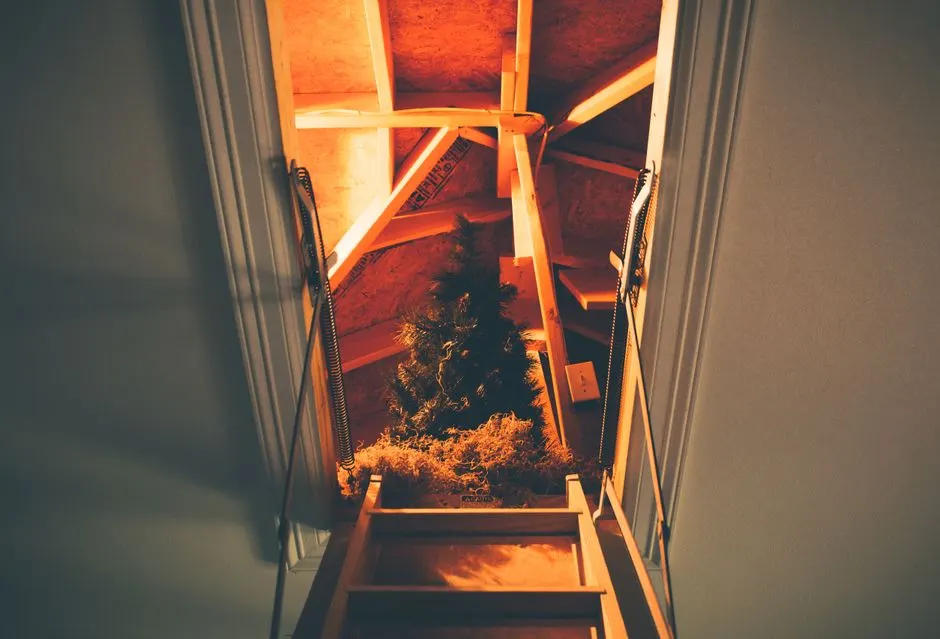
You hear scratching in your attic at night because rats and mice are nocturnal - they leave their nests after dark to feed, and the attic is where they live. The sound is claws on drywall, wood framing, or insulation, and it usually starts within 30 minutes of sunset and stops around first light. If you are hearing it in Fort Pierce right now, you almost certainly have an active rodent infestation, not a one-off visitor.
Below we cover what each sound means, how rodents are getting in, why November is the worst month for this in Fort Pierce, and what actually stops it.
Why the scratching starts after dark
Rodents are crepuscular and nocturnal, which means their activity peaks in the two hours after sunset and again just before dawn. During the day they stay in wall voids, attic insulation, and crawl spaces where it is dark, warm, and quiet. At night they commute.
A single rat makes 20 to 50 trips per night between its nest and a food source. Each trip means running the same route across ceiling joists, down a wall cavity, and out through a gap the size of a quarter. That repetitive traffic is what you hear - not random movement.
Three things amplify the noise at night:
- Your house is quieter. Traffic on US-1 drops off, the AC cycles less, and ambient sound falls by 15 to 20 decibels.
- Rodents are more active. They are avoiding predators and daytime heat.
- Attics act like a drum. Drywall ceilings and wood trusses transmit vibration straight into the room below.
If the scratching is loud enough to wake you, you are likely dealing with rats rather than mice. Rats are 3 to 4 times heavier and their footfalls carry further through framing.
Is it a rat, a mouse, or something else?
Not every night noise in a Fort Pierce attic is a rodent. Here is how to tell them apart before you spend money on the wrong fix.
Rats
Heavy scratching, thumping, and a distinct scurrying sound that moves in a straight line. Norway rats and roof rats are both common here. Droppings are 3/4 inch long and capsule-shaped. You will often smell a musky ammonia odor in a closed attic.
Mice
Lighter, faster scratching - almost a skittering. Droppings are 1/8 to 1/4 inch, pointed at both ends. Mice urinate constantly while they move, so the attic will smell like stale urine even when you cannot see them.
Other culprits
- Squirrels: active during the day, heavy thumping, often near the roofline.
- Raccoons: loud thuds and vocal chattering, usually in the early evening.
- Bats: high-pitched squeaks and a scratching that stops completely by sunrise.
- Palmetto bugs and roof rats together: rustling that sounds like paper shifting.
If you are not sure, a Rodent Inspection Fort Pierce FL takes about 45 minutes and gives you a written answer with photos of entry points and droppings.
How rodents get into Fort Pierce attics
Fort Pierce homes are unusually easy for rodents to enter. Most of the housing stock was built between 1950 and 1990, and the building codes of that era did not require the sealed penetrations we see on new construction.
The four entry points we find on almost every job:
- Roof-to-wall junctions. Gaps where the fascia meets the soffit, often 1/2 to 1 inch wide after 30 years of wood movement.
- Plumbing and electrical penetrations. Every pipe and wire that enters the attic leaves a hole. Rodents chew the gap wider.
- Gable vents and ridge vents. Torn screens or missing hardware turn a vent into a doorway.
- Garage and carport ceilings. An attached garage gives rodents a covered route straight into the attic above.
We see this pattern constantly in older neighborhoods. Across Rodent Control in Downtown Fort Pierce, the 1920s-era bungalows and commercial buildings share the same problem - original wood framing that has shrunk away from the trim, leaving gaps a rat can walk through.
What the sounds are telling you
The type of noise tells you how far along the infestation is. This is the part most homeowners miss.
- Scratching in one spot: early. One or two animals, one nest.
- Scratching that moves across the ceiling: established. They have a runway and a routine.
- Scratching plus chewing sounds: active damage. Rodents chew wires, PVC, and ductwork to wear down their teeth.
- Scratching plus squealing: a litter of pups, or territorial fighting. Population is growing.
- Scratching plus a sweet, rotting smell: a dead rodent in a wall void or above the ceiling.
Chewing is the one that should worry you most. Rodents cause an estimated 20 to 25 percent of unexplained house fires in the U.S. by stripping insulation off electrical wiring. In a Fort Pierce attic that hits 130°F in July, exposed wire is a real risk.
Why November is peak attic rodent season here
November is the busiest month of the year for attic rodent calls in Fort Pierce, and the reason is simple: the first real cold front pushes rats and mice indoors.
Fort Pierce does not get hard freezes, but overnight lows in the 50s are enough. Rodents that spent summer in the palmetto scrub, woodpiles, and storm drains start looking for a structure that holds heat. Your attic sits at 75 to 85°F even on a cool night.
Add the fall rain pattern and you get a second push. When the ground saturates, outdoor burrows flood and rats move up into wall voids and crawl spaces. We typically see call volume triple between the first week of November and the second week of December.
Spring is the other spike. March through May is breeding season, and a single pair of mice can produce 30 to 60 offspring in a year. If you hear scratching now and do nothing, expect it to be louder by February.
Common mistakes homeowners make
Most of the failed DIY rodent jobs we get called to fix share the same three mistakes.
1. Setting traps without sealing entry points
Trapping removes the animals you have. It does not stop the next ones. If the quarter-inch gap at the soffit stays open, you will be trapping again in three weeks. Removal and exclusion have to happen together.
2. Using poison in an attic
Rodenticide in an attic almost always ends with a dead rodent in a wall void you cannot reach. The smell lasts 3 to 6 weeks and can force you to cut open drywall. We handle this with Dead Rodent Odor Removal Fort Pierce FL more often than we would like.
3. Assuming one trap is enough
A single rat home range covers 100 to 300 feet. One trap in one corner of a 1,200-square-foot attic will miss most of the traffic. Professional Rodent Trapping Fort Pierce FL uses 8 to 15 stations placed along the actual runways, not randomly.
One more: do not seal the attic before you remove the animals. If you close the last exit with rodents inside, they will chew a new one - often through your ceiling into the living space.
When to call a professional
Call us when you hear scratching on three or more nights in a row, when you find droppings in the attic or kitchen, or when you smell urine in a closed room. Those three signs mean an established population, not a stray animal.
You should also call if you have already trapped two or more rodents and the noise continues. That pattern means the entry points are still open and the colony is being replenished from outside.
Our team handles the full job - inspection, removal, sealing, and cleanup. We start with a Fort Pierce rodent inspection so you know exactly what you are dealing with before any work begins, and we quote a flat price on the spot. If the problem is in the walls or above the ceiling, we use Rodent Removal Walls Ceilings Fort Pierce FL techniques that avoid cutting unnecessary holes in your drywall.
For homes that need the full package - removal plus permanent sealing - we recommend starting with Rodent Exclusion Fort Pierce FL. That is the step that keeps them out for good.
Frequently Asked Questions
How do I know if the scratching is a rat or a mouse?
Rats make heavy scratching and thumping sounds; mice make lighter, faster skittering. Check droppings: rat droppings are about 3/4 inch and capsule-shaped, mouse droppings are 1/8 to 1/4 inch and pointed. If the noise wakes you from another room, it is almost always a rat.
Can I just ignore it if the scratching stops?
No. Rodents go quiet for 3 to 10 days when they relocate to a different part of the structure, when a litter is born, or when they find food elsewhere. The infestation is still active. Ignoring it for a season typically turns a one-room problem into a whole-attic problem.
How much does attic rodent removal cost in Fort Pierce?
Typical 2026 pricing in Fort Pierce runs $350 to $650 for removal and trapping on a standard attic, and $1,200 to $2,800 when exclusion work, insulation replacement, and sanitizing are included. Larger homes, two-story attics, and crawl space work push the number higher.
How long does it take to get rid of attic rodents?
Most jobs take 7 to 14 days from first inspection to final seal. Trapping runs 5 to 10 days depending on population size, then we seal entry points in a single visit. You should hear nothing by day 14 if the exclusion was done correctly.
Do I need to leave my house during treatment?
No. We use sealed traps and targeted bait stations placed inside the attic and crawl space, not broadcast poison. You and your pets stay home. We do ask that you keep pets out of the attic access area on service days.
Get help with Rodent Control in Fort pierce
Scratching in the attic does not fix itself, and every week you wait gives rodents more time to chew wiring and soil insulation. We inspect, remove, seal, and clean up - usually in under two weeks.
Call Fort Pierce Rodent Control at 123456789 and we will schedule an inspection at your home this week.