Rat removal vs mouse control: which service do you need
Rats and mice need different traps, bait, and exclusion work. Here's how Fort Pierce homeowners tell them apart and pick the right service.
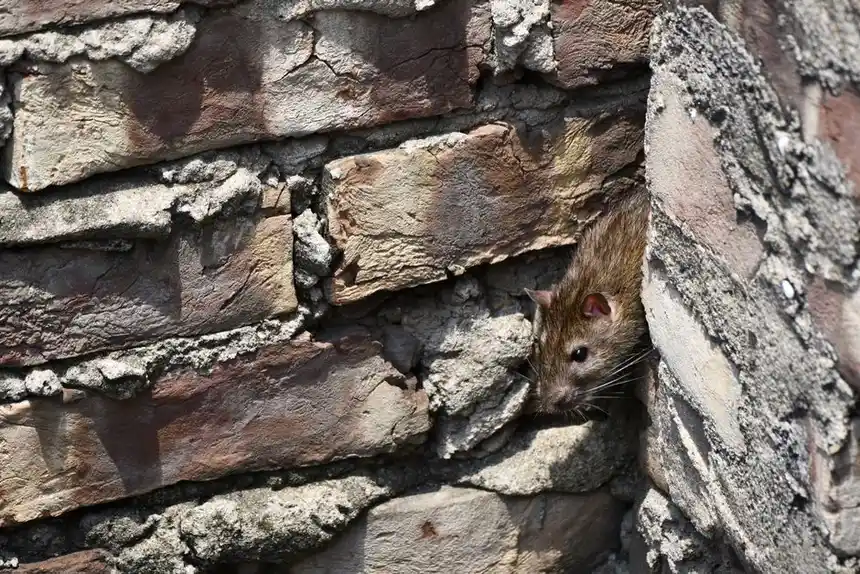
Rats and mice look similar at a glance, but they need different traps, different bait, and different exclusion work - so the service you book should match the animal you actually have. If you're seeing droppings the size of a grain of rice, you almost certainly have mice; if they're the size of a pencil eraser or larger, you're dealing with rats. The rest of this post walks through how to tell them apart, what each service includes, what 2026 pricing looks like in Fort Pierce, and how to avoid the trap-and-release cycle that never ends.
Rat removal vs mouse control: the short answer
Rat removal is a heavier job than mouse control because rats are bigger, smarter, and cause more structural damage per animal. A single Norway rat can chew through a 2-inch PVC pipe, gnaw a 3-inch hole in drywall over a few weeks, and contaminate far more insulation than a mouse ever will. Mouse control is usually faster and cheaper because mice are curious, easy to trap, and rarely tunnel through the exterior of a home on their own.
Rodent Control Fort Pierce FL is the category of work that covers both - inspection, trapping, baiting, exclusion, and cleanup - but the specific service you book depends on the species. Booking mouse control for a rat problem wastes money. Booking rat removal for a mouse problem overpays. Getting the species right on day one is the whole game.
How to tell rats and mice apart in a Fort Pierce home
Fort Pierce sits in a subtropical zone where both roof rats and house mice stay active year-round, so you can't rely on season alone to tell them apart. Here's what our technicians check on every Rodent Inspection Fort Pierce FL call.
Droppings
Mouse droppings are 3-6 mm long, pointed at both ends, and look like scattered black rice. Rat droppings are 12-20 mm long, blunt-ended, and roughly the size of a raisin. If you find 50+ droppings in one kitchen drawer, that's a mouse family. A dozen large droppings along a baseboard usually means one or two rats.
Gnaw marks and rub marks
Mice leave small, clean-edged gnaw marks about 1-2 mm wide. Rats leave wider, rougher chew marks and a greasy dark smear along walls and pipes where they rub their bodies. That rub mark is one of the most reliable rat signs in Fort Pierce homes.
Sounds and timing
Mice scratch and skitter in short bursts, mostly after dark. Rats are louder - you'll hear thumping, dragging, and squeaking in the attic or between the walls, often within an hour of sunset. If the noise sounds like something the size of a small kitten moving around, it's a rat.
Nests and grease trails
Mice build loose nests out of shredded paper, insulation, and fabric in drawers, closets, and behind appliances. Rats build more structured nests in attics, crawl spaces, and wall voids, and they leave visible grease trails along their regular routes.
Why the service you book changes the price
Rat removal costs more than mouse control in Fort Pierce because it involves more labor, larger equipment, and more follow-up visits. Typical 2026 pricing in this area runs $350-$650 for a standard mouse control program and $500-$1,200 for rat removal, depending on how many entry points need sealing and whether attic cleanup is required.
Three things drive the price up:
- Number of entry points. A mouse might use one gap under a garage door. Rats use multiple routes - roofline gaps, soffit vents, plumbing penetrations, and crawl space vents.
- Attic or crawl space contamination. Rat urine and droppings soak into insulation, and that insulation usually has to come out. Mouse contamination is often limited to a few square feet.
- Follow-up visits. Rat jobs need 2-4 return visits over 3-4 weeks to confirm the population is gone. Mouse jobs are often resolved in 1-2 visits.
If a company quotes you the same flat rate for both, ask what's included. The scope is genuinely different.
What rat removal actually involves
Rat Removal Fort Pierce FL is a multi-step process, not a single trap-and-go visit. Here's the sequence our team follows.
- Inspection. We map entry points, runways, and nesting sites. On a typical Fort Pierce home we find 4-8 exterior gaps that need sealing.
- Trapping. Snap traps and enclosed bait stations are placed along runways, not in random corners. Rats are neophobic - they avoid new objects for 2-3 days, so placement matters more than trap count.
- Exclusion. Once the population is knocked down, we seal every gap with hardware cloth, copper mesh, and rodent-resistant sealant. Foam alone doesn't work; rats chew through it in a week.
- Cleanup. Droppings, urine-soaked insulation, and nesting material come out. We sanitize the affected area and, when needed, replace insulation.
- Verification. A final walk-through confirms no new droppings, no new rub marks, and no fresh gnawing.
If rats have gotten into the attic - which is common in Fort Pierce's older neighborhoods - we handle that as Attic Rodent Removal Fort Pierce FL, with insulation removal and replacement priced separately.
What mouse control actually involves
Mouse Control Fort Pierce FL is faster because mice are easier to intercept. House mice rarely travel more than 30 feet from their nest, so the treatment zone is smaller and the trap count is lower.
A standard mouse program includes:
- Inspection of kitchen, pantry, garage, and laundry areas - the four rooms where 90% of mouse activity happens.
- Snap traps and bait stations placed along walls and behind appliances.
- Sealing gaps wider than 1/4 inch (a mouse can squeeze through a hole the width of a pencil).
- One follow-up visit at 10-14 days to confirm activity has stopped.
Most Fort Pierce mouse jobs are wrapped up in 2-3 weeks. If you're still catching mice after a month, the entry points weren't sealed properly, or you're dealing with rats misidentified as mice.
Common mistakes Fort Pierce homeowners make
The single biggest mistake we see is treating a rat problem with mouse-sized traps and mouse-sized exclusion. A standard mouse snap trap will injure a rat without killing it, and 1/4-inch exclusion work won't stop a rat that can chew a 2-inch hole.
Other mistakes:
- Using poison without exclusion. Bait kills the rodents you have; it doesn't stop the next ones from walking through the same gap. A dead rat in a wall void also means a smell that can last 2-3 weeks.
- Sealing with spray foam only. Rats and mice both chew through cured foam. It has to be backed with copper mesh or hardware cloth.
- Ignoring the attic. In Fort Pierce, roof rats enter through the roofline and live in the attic long before you see them in the kitchen. If you only treat the kitchen, you're treating the symptom.
- Waiting until you see a rodent. By the time you see one, the population has been there for weeks. Droppings, rub marks, and nighttime scratching are earlier signals.
If you've already tried traps and bait without success, the issue is almost always exclusion, not trapping. That's what Rodent Exclusion Fort Pierce FL is designed to fix.
When to call a professional
Call a professional when you've caught more than two rodents in a week, when you hear activity in the attic or walls, or when you find droppings in food storage areas. Those three signals mean the population is established and the entry points are still open.
Our team at Fort Pierce Rodent Control handles both rat removal and mouse control, and we'll tell you which one you actually need after a 30-minute inspection. We don't sell mouse control to rat problems or the other way around. If you're in one of the older neighborhoods - the historic homes near Rodent Control in Downtown Fort Pierce are a good example - we also check the original crawl space vents and pier-and-beam foundations that rats love.
Frequently Asked Questions
How do I know if I have rats or mice?
Check the droppings first. Mouse droppings are 3-6 mm long and rice-shaped; rat droppings are 12-20 mm and raisin-sized. If the droppings are larger than a grain of rice, book rat removal, not mouse control.
How much does rat removal cost in Fort Pierce?
Most Fort Pierce rat removal jobs run $500-$1,200 in 2026, depending on entry point count and whether attic cleanup is needed. Mouse control typically runs $350-$650. Both prices include inspection and follow-up visits.
Can I just use mouse traps for rats?
No. Standard mouse snap traps are too small to dispatch a rat quickly, and they often result in an injured animal that dies in a wall void. Rat-sized traps and bait stations are required, plus exclusion work.
How long does rat removal take?
Plan on 3-4 weeks from first visit to final verification. Trapping takes 1-2 weeks, exclusion work is usually done in a single day, and we return once more to confirm no new activity.
Do I need rodent exclusion after removal?
Yes. Removal without exclusion is a temporary fix. Rats and mice will re-enter through the same gaps within weeks. Sealing entry points with hardware cloth and copper mesh is what keeps them out long-term.
Get help with Rodent Control in Fort Pierce
If you're not sure whether you have rats or mice, we'll figure it out on the first visit and quote the right service - no guesswork, no upselling. Call Fort Pierce Rodent Control at 123456789 to schedule an inspection.