Hutchinson Island Vacation Rental Rodent Control Checklist
Rodents get into island rentals through the same six spots every time. Here is the checklist we run on Hutchinson Island properties before and after season.
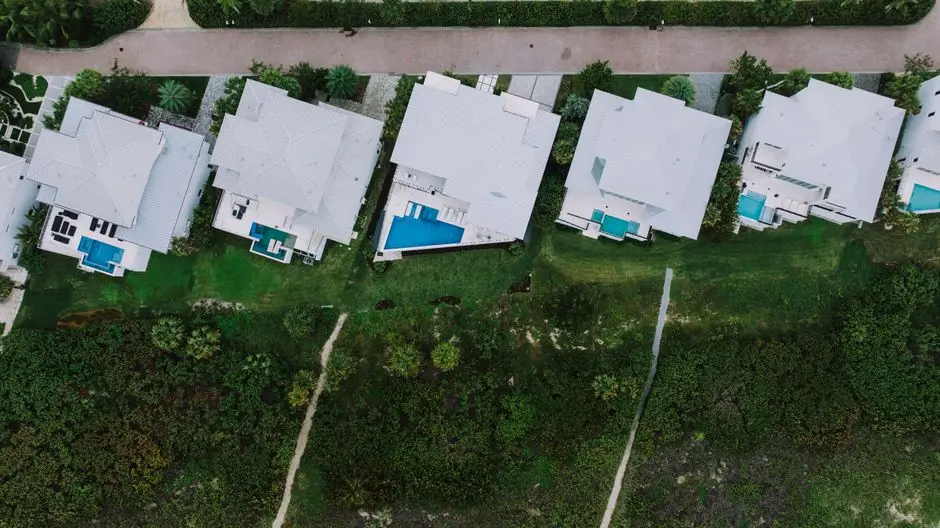
Rodents get into Hutchinson Island vacation rentals through six predictable openings: garage door corners, soffit gaps, plumbing penetrations, A/C line chases, dryer vents, and roof-to-wall junctions. Seal those six and you eliminate roughly 80% of the entry points we find on island properties. This checklist walks through each one, plus the seasonal timing, cost ranges, and inspection habits that keep a rental rodent-free between guests.
We run this exact list on Fort Pierce properties from the South Causeway to the north end of the island. It takes about 90 minutes on a typical 1,400-square-foot unit.
Why Hutchinson Island Rentals Attract Rodents
Hutchinson Island rentals attract rodents because they sit empty for weeks at a time, sit within 200 feet of dune vegetation and mangrove edges, and offer dozens of unsealed utility penetrations that a mainland house does not have. Empty units mean no human scent, no running water, no foot traffic - three things that normally push rats and mice back into the landscape.
The island's building stock makes it worse. A large share of the vacation rentals here went up between 1975 and 1995, and the construction of that era left wide gaps around plumbing stacks, A/C chases, and garage door frames. A 1/4-inch gap is all a juvenile mouse needs. A 1/2-inch gap is a door for a roof rat.
Salt air also plays a role. Metal flashing and vent screens corrode faster here than they do five miles inland. A screen that would last 15 years in Orlando can rust through in 8 on the island. Once it opens, it stays open until someone checks it.
If you own or manage property here, it helps to think of rodent pressure as a constant, not an event. The question is not whether rodents will test your building - it is how many openings they will find when they do.
The 12-Point Hutchinson Island Vacation Rental Rodent Control Checklist
This is the same checklist our technicians run on every island rental before and after season. Print it, or hand it to your property manager.
Exterior and Entry Points
- Garage door corners and bottom seal. Check the bottom rubber for chew marks and the corner gaps where the track meets the frame. A 1/4-inch gap at the corner is the single most common entry point we find.
- Soffit and fascia gaps. Walk the perimeter with a flashlight at dusk. Look for any gap wider than a pencil.
- Roof-to-wall junctions. Especially on two-story units where the lower roof meets the upper wall. Rodents use the roof line as a highway.
- A/C line chases and refrigerant penetrations. The hole where the lineset enters the wall is almost always oversized. Seal with copper mesh and sealant, not spray foam alone.
- Dryer vents and exhaust hoods. The flapper should close fully. If it hangs open, rodents climb in.
- Plumbing penetrations under sinks and behind toilets. Pull the escutcheons and look. Gaps here lead straight into wall voids.
Interior and Utility Spaces
- Attic access panel. If the panel does not sit flush, rodents push it aside. Add weatherstripping and a latch.
- Attic insulation. Look for tunneling, droppings, and compressed insulation. Rodents tunnel through batt insulation in a matter of days.
- Crawl space vents and vapor barrier. Torn vapor barrier is a nesting site. So are open foundation vents without hardware cloth.
- Water heater closet and HVAC closet. These closets often have unsealed pipe chases and are warm year-round.
- Kitchen and pantry. Check behind the refrigerator, inside the lower cabinets, and along the toe kick. Food crumbs in a rental are a given.
- Outdoor storage, grill covers, and pool equipment pads. Rodents nest under anything that stays still for a month.
If you want this done as a documented inspection rather than a walkthrough, our Rodent Inspection Fort Pierce FL service produces a written report with photos of every gap we find, sized and prioritized.
What Does Vacation Rental Rodent Control Cost on Hutchinson Island?
Typical 2026 pricing for vacation rental rodent control on Hutchinson Island runs $285 to $650 for an initial inspection and exclusion, and $95 to $185 for a follow-up monitoring visit. The range depends on square footage, how many entry points need sealing, and whether attic or crawl space work is involved.
Here is how the numbers usually break down:
- Inspection only: $150-$250 for a 1,200-2,000 sq ft unit.
- Exclusion and proofing: $285-$650, depending on the number of gaps and whether roof or attic work is required.
- Trapping and removal: $225-$450 for a typical island rental with an active infestation.
- Attic cleanup and sanitization: $400-$1,200 if droppings and nesting material are present.
- Attic insulation replacement: $1,800-$4,500 if the insulation is contaminated and needs to come out.
What drives the price up more than anything is access. A single-story unit with a walk-in attic is a half-day job. A three-story unit with a low-pitch roof and a sealed attic can take two visits.
If you manage multiple units, we bundle them. Two or three rentals on the same property usually cost less per unit than three separate calls.
Seasonal Timing: When to Inspect and When to Treat
On Hutchinson Island, the two windows that matter most are late fall (now, in November) and late spring. Rodents move indoors when nighttime temperatures drop and again when the summer rains push them out of low-lying vegetation.
November through February is the highest-pressure stretch. Nighttime temps on the island drop into the 50s, which is enough to send roof rats and house mice looking for warmth. If your rental sits empty between Thanksgiving and New Year's, that is the window when a small problem becomes a real one.
March through May is the second window. As the dry season ends and afternoon storms return, rodents that were living in the dune vegetation and mangrove edges move toward structures. This is also when you want to be sealed up before summer bookings start.
June through October is lower pressure for new entries, but not zero. Summer is when you find out whether your exclusion work held. We recommend a monitoring visit in July or August, especially for units that rent weekly.
A simple schedule that works for most island rentals:
- October: full inspection and exclusion before the winter season.
- January: quick monitoring check if the unit has been vacant.
- April: second inspection before summer bookings.
- July: monitoring visit and trap check.
If you want the monitoring handled for you, our Rodent Monitoring Fort Pierce FL service covers quarterly visits with a written log you can hand to your property manager.
Common Mistakes Hutchinson Island Rental Owners Make
The most expensive mistake we see is treating the symptom and skipping the exclusion. Trapping a rat without sealing the entry point just opens the door for the next one. We have pulled four rats out of the same attic in six weeks because nobody sealed the soffit gap.
Other mistakes that cost island owners real money:
- Using spray foam alone. Rodents chew through spray foam in a night. It has to be backed with copper mesh or hardware cloth.
- Ignoring the garage. The garage is the entry hall. If the garage door seal is chewed, the rest of the house is exposed.
- Waiting until a guest complains. By then you have a review problem, not just a rodent problem.
- Skipping the attic. Most island infestations start in the attic and stay there for weeks before anyone notices.
- Not documenting the work. Property managers and platforms want proof. Photos and a written report matter.
If you own a rental in the older parts of the island, the building age alone puts you at higher risk. We see the same pattern in South Beach Rodent Control where 1970s and 1980s construction left wide utility gaps that were never sealed.
When to Call a Professional
Call a professional when you find droppings in more than one room, hear scratching in the attic or walls after dark, or see chew marks on wiring or PVC. Any of those three means the problem is established, not exploratory.
We handle this work every week on the island. Our team runs the full checklist, seals the entry points, traps what is inside, and cleans up the mess. If you want the whole job handled in one visit, our Vacation Rental Rodent Control Fort Pierce FL service is built for exactly this kind of property.
One more thing: if you find a dead rodent in a wall or attic, do not wait. The odor gets worse for about 10 days before it gets better, and guests notice. We handle that as a same-day call.
Frequently Asked Questions
How often should a Hutchinson Island vacation rental be inspected for rodents?
Twice a year at minimum - once in October before the winter season and once in April before summer bookings. If the unit sits vacant for more than three weeks at a time, add a monitoring visit in January and July. That is four visits a year for most island rentals.
What is the most common rodent entry point in island rentals?
The garage door corner is the single most common entry point we find, followed by A/C line chases and soffit gaps. A 1/4-inch gap at the bottom corner of a garage door frame is enough for a mouse. Roof rats need about 1/2 inch.
Can I just set traps and skip the exclusion work?
No. Trapping without sealing is a temporary fix. We have seen the same attic re-infested within six weeks because the entry point stayed open. Exclusion is what makes the trapping stick. Do both, or you will pay for the same job twice.
How much does vacation rental rodent control cost on Hutchinson Island in 2026?
Expect $285 to $650 for inspection and exclusion on a typical 1,200-2,000 sq ft unit. Trapping adds $225-$450 if there is an active infestation. Attic cleanup and sanitization, if needed, runs $400-$1,200. Multi-unit properties usually cost less per unit.
Do I need to tell my guests if I had rodents?
Not if the problem is resolved and the unit is clean. What you do need is documentation - photos, a written report, and a clean inspection after the work. That protects you if a guest raises a concern later. We provide that paperwork on every job.
Get Help with Rodent Control in Fort Pierce
If you own or manage a rental on Hutchinson Island, we can run this checklist on your property this week and seal whatever we find. Call Fort Pierce Rodent Control at 123456789 to schedule an inspection before your next booking.