How to seal gaps around pipes to keep rodents out
Rodents slip through gaps as small as a quarter-inch around pipes. Here is how Fort Pierce homeowners seal those entry points for good.
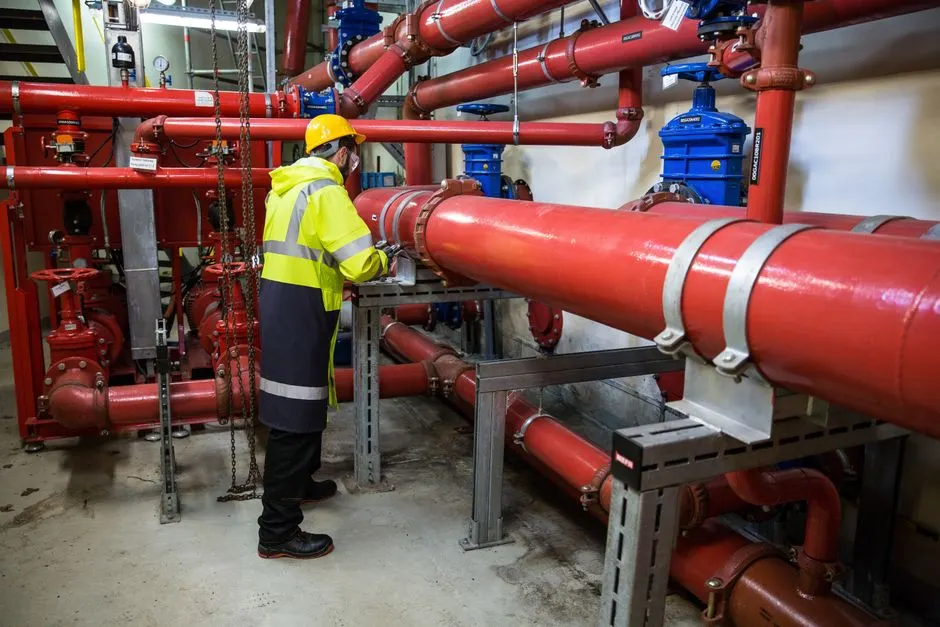
Sealing gaps around pipes means filling every opening where a pipe passes through a wall, floor, or cabinet with a rodent-proof material - typically copper mesh packed into the gap and covered with sealant or concrete. A mouse needs only a quarter-inch gap; a rat needs a half-inch. In Fort Pierce, the most common entry points are under kitchen and bathroom sinks, behind the washing machine, and where the AC refrigerant lines enter the house. This guide walks you through finding those gaps, choosing the right materials, and sealing them so rodents stay out for good.
Why pipe gaps are a rodent superhighway
Pipe penetrations are the single most overlooked rodent entry point in Fort Pierce homes. Plumbers and builders cut holes through exterior walls and slabs to run water lines, drain pipes, and AC lines - and they rarely seal them tight. A gap the width of a pencil is an open door for a determined rodent.Rodents follow pipes because pipes are warm in winter and cool in summer, and they lead straight into wall voids and cabinets. A rat can squeeze through a half-inch gap; a mouse through a quarter-inch. If you can fit a pencil into the gap, a mouse can get through.
In Fort Pierce's humid climate, these gaps also let in moisture and insects, which attract rodents looking for food and shelter. The problem compounds: the wider the gap gets from water damage or settling, the easier it is for rodents to enter. Sealing pipe gaps is the first line of defense in any Rodent Proofing Fort Pierce FL plan.
How to find every gap around pipes
Start with a flashlight and a mirror on a stick. Check these locations in order:
- Under every sink - kitchen, bathroom, laundry. Look where the drain pipe and supply lines pass through the cabinet floor or wall.
- Behind the washing machine and water heater. The drain pan and pressure relief valve lines often leave gaps.
- Where the AC refrigerant lines and condensate drain enter the house. This is a top entry point in Fort Pierce because AC runs year-round.
- At the water main where it enters through the slab or crawl space wall.
- Around the toilet flange and shower drain if you have a crawl space.
- Any pipe penetrating an exterior wall - hose bibs, dryer vents, exhaust fans.
At night, turn off all lights and have someone shine a flashlight from outside along the foundation while you look from inside. Any light you see is a gap. Mark each one with painter's tape.
If you find droppings, rub marks, or gnawed wood near these gaps, you already have activity. A professional Rodent Inspection Fort Pierce FL will map every entry point and tell you which ones are active.
Materials that actually stop rodents
Steel wool alone fails - rodents pull it out. The right approach is copper mesh packed tight, then sealed. Here is what works:
- Copper mesh (Stuf-Fit or similar): woven copper that rodents cannot chew through. Pack it tightly into the gap.
- Concrete patch for gaps in masonry or slab: mix to a stiff consistency and pack around the pipe.
- Urethane sealant (not silicone or caulk): expands and stays flexible. Silicone peels; urethane holds.
- Galvanized flashing for large gaps: cut to fit, screw into place, then seal edges.
- Mortar for foundation gaps: sets hard and rodents cannot chew it.
Do not use expanding foam alone. Rodents chew through it in minutes. Foam is only acceptable as a backing before you pack copper mesh and sealant over it.
Step-by-step: sealing gaps around pipes
Here is the method we use on every Rodent Exclusion Fort Pierce FL job. It works on any pipe penetration.
- Clean the gap. Remove loose debris, old caulk, and any grease. Wipe with a damp rag and let dry.
- Pack copper mesh. Tear off a piece of copper mesh and stuff it into the gap around the pipe. Use a screwdriver to pack it tight - you want no voids. The mesh should be compressed, not loose.
- Apply sealant. Cover the mesh with a generous bead of urethane sealant. Smooth it with a gloved finger so it bonds to both the pipe and the wall.
- For masonry gaps, use mortar. Mix mortar to peanut butter consistency and pack it around the pipe with a trowel. Let cure 24 hours.
- For large gaps, add flashing. Cut galvanized flashing to size, screw it over the gap, then seal edges with urethane.
- Test. After curing, shine a light from the other side. No light means no gap.
Typical 2026 pricing for DIY materials runs $30-$80 for a whole-house kit. Professional exclusion for a typical Fort Pierce home costs $400-$1,200 depending on the number of entry points and attic or crawl space access.
Common mistakes that let rodents back in
The biggest mistake is sealing only the obvious gaps. Rodents use utility lines, AC chases, and even the gap behind the dryer vent. If you miss one, they will find it.
Second mistake: using the wrong material. Silicone caulk peels. Spray foam gets chewed. Steel wool rusts and falls out. Stick with copper mesh plus urethane or mortar.
Third mistake: sealing the inside but not the outside. If you only seal from inside, rodents may still nest in the wall void. Seal from both sides when possible.
Fourth mistake: ignoring the attic and crawl space. In Fort Pierce, rats often enter through the roof line or foundation vents, then travel along pipes into living spaces. A full Attic Rodent Removal Fort Pierce FL and crawl space inspection is part of the job.
When to call a professional
Call a professional if you find active rodent activity, if gaps are in hard-to-reach areas like the attic or under the slab, or if you have already sealed and still hear scratching. We handle the entire process: inspection, exclusion, and follow-up. Our team serves homeowners across Rodent Control in Downtown Fort Pierce and surrounding neighborhoods. We seal gaps, remove rodents, and sanitize affected areas so you do not have to handle it alone.
Frequently Asked Questions
How small a gap can a mouse fit through?
A mouse can fit through a gap as small as a quarter-inch - about the width of a pencil. Rats need a half-inch. If you can see daylight, it is large enough for a rodent.
What is the best material to seal pipe gaps?
Copper mesh packed tightly into the gap and covered with urethane sealant is the most effective. For masonry, use mortar. Avoid spray foam alone; rodents chew through it.
Do I need to seal gaps on both sides of the wall?
Yes, when possible. Sealing from both inside and outside prevents rodents from nesting in the wall void and blocks entry from either direction.
How much does professional rodent exclusion cost in Fort Pierce?
Typical 2026 pricing for professional exclusion in Fort Pierce ranges from $400 to $1,200 for an average home, depending on the number of entry points and access difficulty. We provide a written estimate before work begins.
Can I just use expanding foam to seal gaps?
No. Expanding foam alone is not rodent-proof - rodents chew through it easily. Use foam only as a backing, then pack copper mesh and sealant over it.
Get help with Rodent Control in Fort Pierce
If you are tired of hearing scratching in the walls or finding droppings under the sink, we can help. Our team seals gaps, removes rodents, and keeps them out. Call us at 123456789 to schedule your inspection.